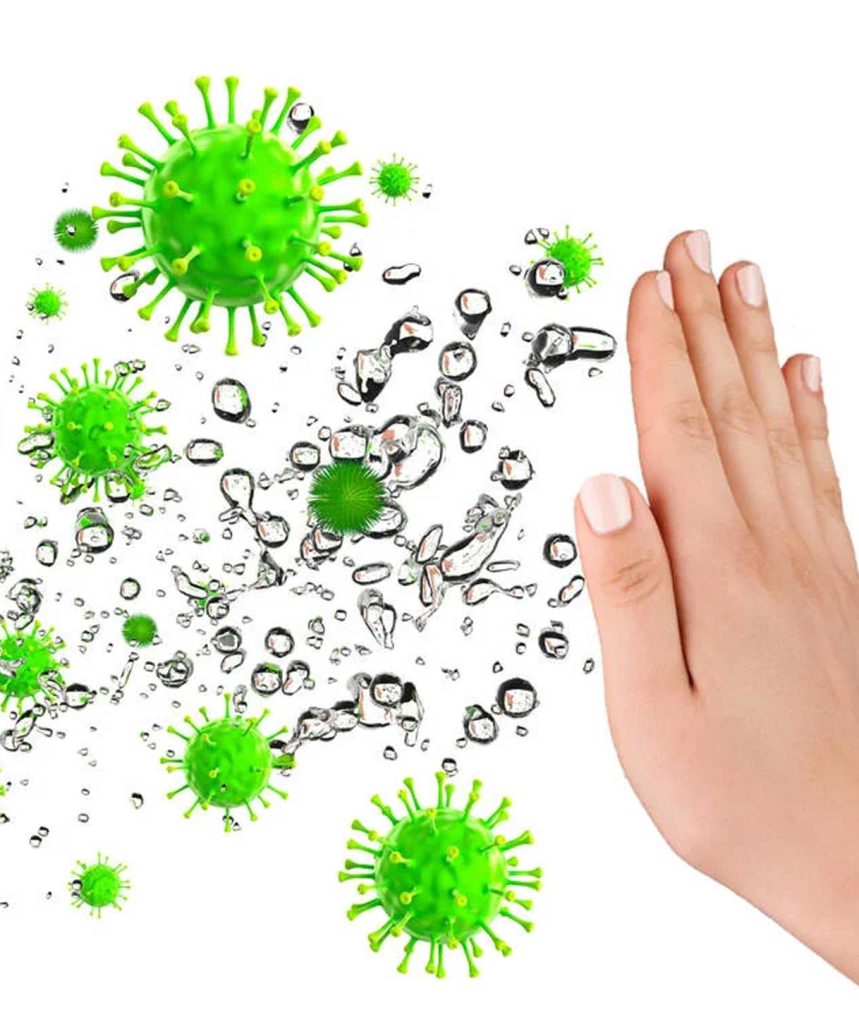
Vitamin E was discovered as the ‘fertility vitamin’. In 1922, Herbert M. Evans and Katherine S. Bishop (two American researchers) were the first to identify a previously unknown fat-soluble factor that was essential for reproduction in rats. In the years that followed, this factor was isolated primarily from wheat germ oil, oats and maize, recognised as a vitamin and, following on from the already known vitamins A, B, C and D, named vitamin E. In 1938, the structure of vitamin E (here α-tocopherol) was elucidated, and the first chemical synthesis took place in the same year. Tocotrienols, which also belong to the vitamin E family, were first described and synthesised in 1956.
Vitamin E is a component of all animal cell membranes, but is produced only by photosynthetically active organisms such as plants and cyanobacteria. The term ‘vitamin E’ is often mistakenly used to refer solely to α-tocopherol, the best-studied form of vitamin E.

Function in the body
Plant-based vitamin E consists largely of the biologically active tocopherols D-alpha, beta and gamma-tocopherol. It helps to protect cells (e.g. DNA, proteins, lipids) from oxidative damage caused by free radicals.
One of its most important functions is that of a fat-soluble antioxidant capable of protecting polyunsaturated fatty acids in membrane lipids, lipoproteins and stored fat from destruction by oxidation. Free radicals would attack the double bonds of the fatty acids in cell and organelle membranes. Tocopherol acts as a radical scavenger by itself becoming a chemically inert radical. The tocopherol radical is then reduced, forming an ascorbate radical.
Vitamin E also plays a role in the regulation of the gonads and is therefore also known as the anti-sterility vitamin.
Vitamin E in food
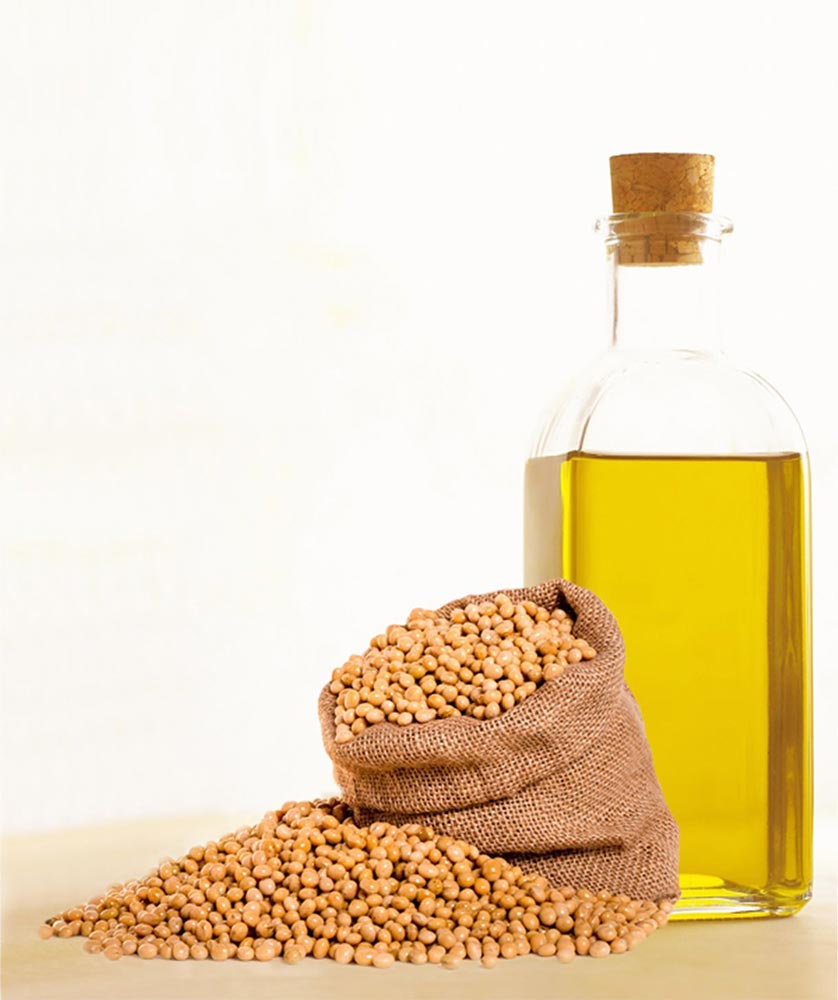
Vegetable oils such as sea buckthorn pulp oil, wheat germ oil, sunflower oil, red palm oil, soya oil, rapeseed oil and olive oil are particularly rich in vitamin E. The absorption rate of vitamin E when these foods are consumed is around 30% on average.
Indications
The traditional use of vitamin E in preventive medicine is to protect cells from oxidative stress and to support the immune system.
In therapeutic settings, it is mainly used in cases of vitamin E deficiency that are difficult to diagnose. Thus, in cases of neurological deficits associated with malabsorption, which are usually triggered by a deficiency of various vitamins or nutrients, vitamin E supplementation should also be considered.
In addition, vitamin E is used in clinical practice for the prevention and treatment of a wide range of conditions. These include, in particular, rheumatic diseases and atherosclerosis. Further applications include complementary pain management and supportive treatment for dementia in geriatric care. These applications are now supported by a large number of observational studies and clinical double-blind trials; however, the regulatory authorities have not yet approved these indications.
About Selenium
The importance of selenium for human metabolic processes was only recognised in the second half of the 20th century, and initially only to a limited extent. The first disease for which it was conclusively proven to be caused by selenium deficiency was Keshan disease. This is a condition affecting the heart muscle, although the presence of certain viruses also plays a significant role.
Selenium enters the food chain by being absorbed from the soil by plants in inorganic form and then bound organically. The selenium content of plants depends not only on its concentration in the soil (acidic soils or those of volcanic origin are low in selenium), but is also negatively influenced by the simultaneous presence of other elements (such as sulphur, aluminium and iron).
The total selenium content in the human body – approximately 10 to 20 mg – is found in all tissues: around 60% in the kidneys, liver and muscles, and a further 30% in the skeletal system.
Function in the body
Selenium is a vital essential trace element, which means that it is not produced by the body itself but must be obtained from external sources. It plays a crucial role in protecting cell membranes from oxidative damage (as a free radical scavenger) and is essential for activating the body’s own enzymes and those obtained from external sources. Selenium also helps to maintain healthy hair and nails.
Please note that not all claims are accepted by conventional medicine, as there is a lack of placebo-controlled clinical trials.