Two natural components to support the immune system
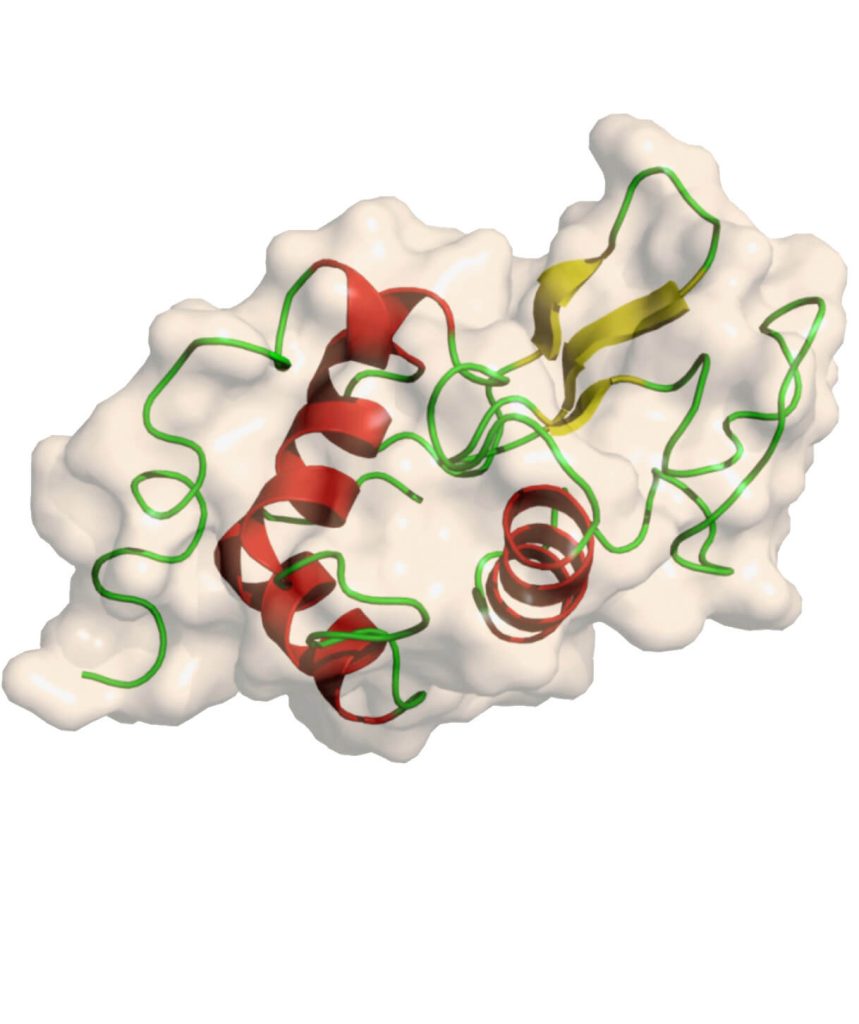
Lysozyme, also known as muramidase, is an important component of the human innate immune system. It was discovered in 1922 by Alexander Fleming. This enzyme belongs to the group of hydrolases and is found in almost all bodily fluids, such as saliva, sweat, nasal secretions and tears.
Combined with +
Vitamin B6 (also known as pyridoxine) is a water-soluble vitamin. It is required for many metabolic processes in the body. In particular, it plays a role in the immune system, blood formation and the nervous system. Vitamin B6 is also involved in the production of important neurotransmitters such as serotonin – the ‘happiness hormone’.
Every day, especially during the autumn and winter months, our bodies are exposed to a wide variety of stresses, such as viruses and bacteria. The immune system must be working at full capacity and effectively to protect the body from these pathogens and thus ward off colds and prolonged bouts of flu.
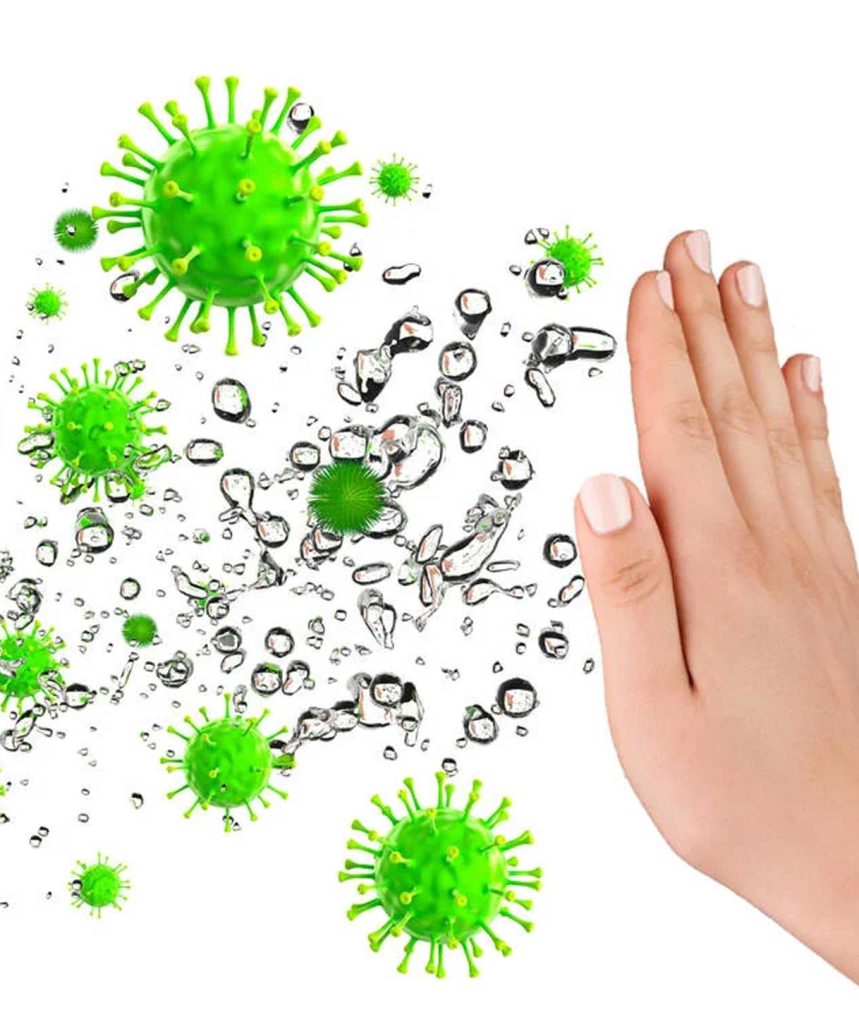
Support your immune system’s function...
...with innovaspray® IMMUN!
The History of Lysozyme
The antibacterial properties of egg white, which are attributable to lysozyme, were first described by Laschtschenko in 1909. However, the term ‘lysozyme’ was not coined until 1922 by Alexander Fleming (1881–1955), who thus gave the enzyme its name. He observed the antibacterial effect of lysozyme in nasal secretions on the bacterium Micrococcus lysodeikticus.
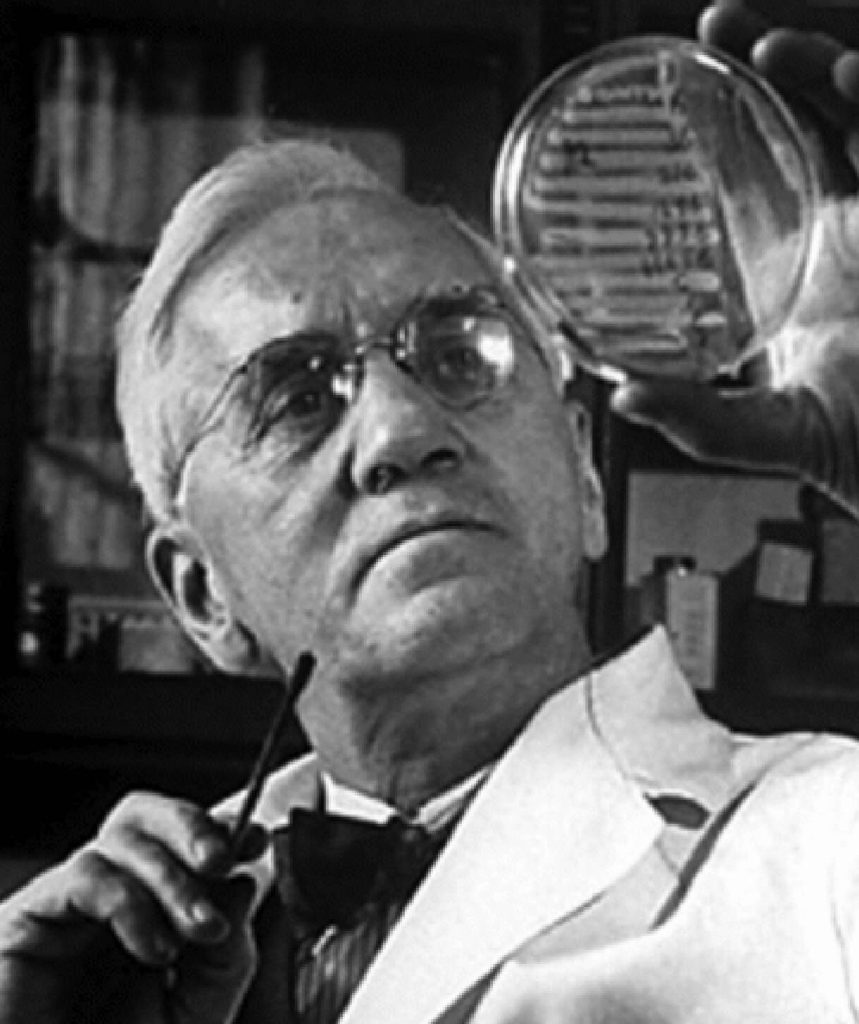
Fleming’s chance discovery of lysozyme
Like many great discoveries, the discovery of lysozyme began with a coincidence and Alexander Fleming’s keen observation. In 1922, he was going about his work as a doctor and researcher at St Mary’s Hospital in London as usual, when two coincidences came together.
He had a bad cold and had also forgotten to dispose of a bacterial culture in a Petri dish. A yellow bacterial colony had formed in the Petri dish. Some nasal secretion dripped onto the bacterial colony. Some time later, he observed that the bacteria had dissolved at the spot where the nasal secretion had dripped.
The first substance with antibacterial properties had been discovered. It is an enzyme capable of breaking down the cell walls of bacteria. It was named lysozyme (from ‘lysis’ = to break down, and ‘zyme’, because it is an enzyme). Lysozyme was detected not only in nasal secretions but also in tear fluid. It is also found in milk, blood, leukocytes, semen, breast milk and, in particularly high concentrations, in egg white.
Fleming began a more detailed examination of the tear fluid donated to him by volunteers, after they had been stimulated to produce tears with a few drops of citric acid. This, in turn, earned him a caricature in the hospital newspaper. It depicted children coming to Fleming’s laboratory for a few pennies, where one attendant beats them and another collects their tears.
Fleming realised that lysozyme prevents microbes from entering the body.
Lysozyme acts even before bacteria can penetrate the organism. For example, the constant moistening of the eyes with tear fluid (which contains muramidase) largely ensures that no bacteria can enter via the mucous membranes around the eyes. Bacteria present on the surface of the eye are immediately dissolved and broken down by lysozyme.
Sources: https://de.wikipedia.org/wiki/Lysozym, www.lernhelfer.de
Please note that not all of these claims are accepted by conventional medicine, as there is a lack of placebo-controlled clinical trials.